
Ever felt like MyFitnessPal just isn’t cutting it for your busy schedule? You’re not alone—many of us start with the popular app, only to hit friction points like endless food database scrolling or generic calorie targets that don’t reflect real life.
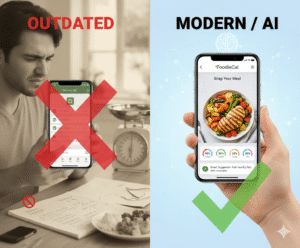
Picture this: you’re juggling back‑to‑back meetings, a quick lunch, and a late‑night workout. You snap a photo of your dinner, and instead of manually typing every ingredient, an AI‑powered assistant reads the plate, logs macros, and even suggests a hydration reminder. That’s the kind of seamless experience people crave when they look for MyFitnessPal alternatives.
One real‑world example is a freelance graphic designer who swapped to an app that uses photo‑recognition to capture meals in seconds. Within a week, she noticed her water intake jump by 20% because the app nudged her after each logged meal. Small nudges add up, turning vague goals into concrete habits.
So, how can you replicate that magic? First, identify what’s missing for you—maybe it’s instant photo logging, personalized nutrition tips, or a community vibe. Then, test an alternative that offers those features. Most apps now let you set custom macro goals, sync with wearables, and even generate grocery lists based on your tracked meals.
Here’s a quick three‑step starter plan: 1) Download a trial of a photo‑based tracker; 2) Log every meal for three days, paying attention to ease of entry and insight quality; 3) Compare the data you get—are you seeing clearer patterns in carbs, protein, and hydration?
While you’re experimenting, remember that nutrition isn’t just about calories. Pairing a solid tracking routine with good oral health can boost overall wellness. For instance, integrating a natural toothpaste like STOP Oral Care helps maintain fresh gums, which many health‑focused users say improves their motivation to stick with diet plans.
Another tip: sync your tracker with a smart water bottle. The app will remind you to sip throughout the day, preventing the common “I forgot to drink” pitfall that derails weight‑loss efforts.
If you’re curious about a platform that blends AI insights with a friendly interface, check out the Foodie Cal home page. Users rave about the snap‑and‑track feature that makes logging feel effortless, even on chaotic days.
Bottom line: the perfect MyFitnessPal alternative is the one that fits your lifestyle, not the other way around. Test, adjust, and let the data guide you toward healthier habits without the headache.
TL;DR
If you’re tired of endless scrolling and generic targets, myfitnesspal alternatives like AI‑powered photo logging can turn meal tracking into a quick snap, giving you real‑time macro insights and hydration nudges that actually fit a busy lifestyle.
Try a three‑day trial, compare the data, and let the smarter app guide your nutrition, water intake, and overall wellness without the headache.
1. Cronometer – Precise Nutrition Tracking
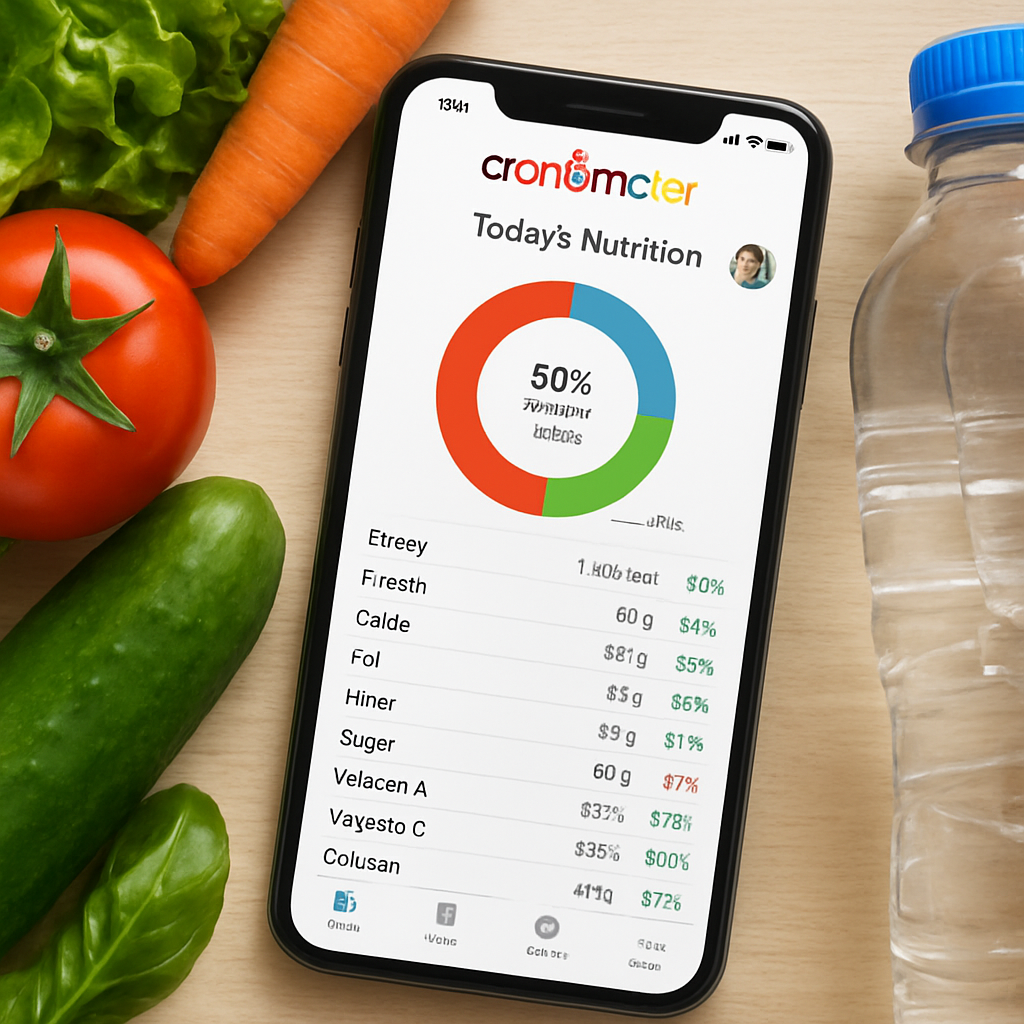
When you start looking for myfitnesspal alternatives, Cronometer often pops up because it treats nutrition like a science experiment you actually want to be part of. It’s the kind of app that says, “let’s get granular,” without drowning you in endless menus.
1. Micronutrient obsession (and why you’ll love it)
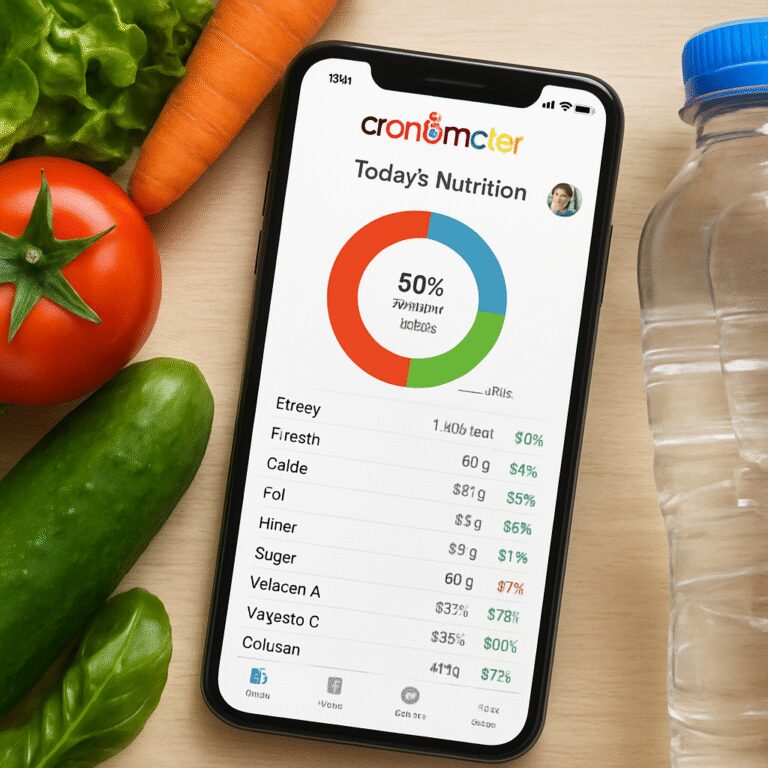
Most trackers stop at calories, carbs, protein, and fat. Cronometer goes deeper, showing you vitamin A, magnesium, potassium, and even trace minerals for every bite. Imagine finally seeing why you felt sluggish after a low‑iron lunch – the app flags the gap and suggests a quick spinach snack.
Does that level of detail sound overkill? Not really. If you’ve ever wondered why your workouts plateaued, those missing micronutrients could be the culprits.
2. Customizable nutrient targets
Instead of generic “2000‑calorie” goals, Cronometer lets you set personalized targets based on age, activity level, or even a specific diet like keto or vegan. You can tweak the protein goal to match your strength‑training plan, or raise omega‑3s if you’re focusing on joint health.
And the best part? The app updates your daily percentages in real time, so you always know where you stand without guessing.
3. Food database that actually respects whole foods
Ever typed “apple” and got a list of 200 variations, many of them processed snacks? Cronometer’s database leans heavily on USDA and verified entries, which means the apple you log is the real thing, not a mystery “apple‑flavored snack.”
This matters when you’re trying to keep sugar spikes low or track fiber intake for gut health.
4. Seamless integration with wearables and health apps
If you already wear a smartwatch, Cronometer syncs your step count, heart‑rate zones, and even sleep data. The combined view helps you see how activity influences nutrient needs – like needing more electrolytes after a sweaty bike ride.
It also talks to Apple Health, Google Fit, and Fitbit, so you don’t have to double‑enter anything.
5. Community support and accountability
The app includes forums where users share recipe hacks, supplement tips, and motivation threads. It’s not a corporate forum; it feels like a group of friends swapping ideas over coffee.
One user posted a simple “overnight oats” recipe that hit 30 g protein, 10 g fiber, and a full daily vitamin D dose – all logged automatically.
So, how does this help you compared to MyFitnessPal? You get precise data, less guesswork, and a community that actually talks nutrition, not just calorie counting.
Here’s a quick way to test Cronometer for yourself:
- Download the free version and input your basic stats.
- Log every meal for three days, paying special attention to the micronutrient breakdown.
- Compare the insights to what you saw in MyFitnessPal – notice any gaps?
If you’re looking for a real‑world example of precise tracking in action, check out this article from Washington Pachiro that walks through how athletes use detailed nutrient data to fine‑tune performance.
After watching, you’ll see how the visual breakdown of nutrients can make the data feel less intimidating and more actionable.
Another niche but surprisingly relevant resource is Dublin Kitchen Respray, which recently published a guide on how proper kitchen lighting can improve food photography – a small tip that helps your snap‑and‑track workflow look cleaner in Cronometer.
Now that you’ve got the basics, it’s time to put Cronometer to the test. Start by focusing on one nutrient you’ve struggled with – maybe iron or magnesium – and watch how the app nudges you toward better choices. The clarity you gain often translates into more energy, better sleep, and yes, smoother weight‑management progress.
Remember, the goal isn’t to become a nutrition scientist overnight. It’s to give yourself enough data to make smarter, faster decisions, especially on those chaotic days when you’d rather snap a photo than type a grocery list.
Ready to give it a whirl? Dive in, log a few meals, and let the numbers speak for themselves.
2. Lose It! – Simple Calorie Counter
Ever opened a calorie app and felt like you were staring at a spreadsheet? That moment of “maybe I should just guess” is why many of us keep scrolling back to the kitchen instead of the screen.
Enter Lose It! – the no‑fluff, snap‑and‑track alternative that lets you count calories without drowning in menus. It’s built for people who want quick numbers, not a nutrition PhD. Think of it as the friend who tells you “you’ve got 1,800 calories left” and then disappears, letting you enjoy your meal.
Why Lose It! feels different
- Simple calorie focus: The home screen shows a big, bold daily calorie budget, so you always know where you stand.
- Barcode scanner & photo entry: Snap a package or snap your plate, and the app does the heavy lifting.
- Community challenges: Join a “30‑day step‑up” or “summer lean‑in” and get nudges from people who get it.
But does simplicity mean it skips the good stuff? Not really. Lose It! still lets you track macros, set custom goals, and even log water – all without a cluttered interface.
Quick start checklist (the 3‑step cheat sheet)
- Download the free version and set your daily calorie target – the app uses your age, weight, activity level, and a simple goal picker.
- Log every meal for three days. Use the barcode scanner for packaged snacks, or tap the camera icon for a quick photo. The AI guesses the most likely match, and you can tweak portions in seconds.
- Review the “Daily Summary” each night. Spot the biggest over‑run (maybe that extra latte) and swap it tomorrow for something lighter – like a fruit‑filled yogurt.
So, what does that look like in real life? Imagine you’re a busy professional juggling back‑to‑back meetings. You grab a pre‑made salad, scan the barcode, and the app instantly tells you you’re at 350 of your 1,800 daily calories. You’ve got room for a protein shake and still stay on track. No endless scrolling, just a quick glance.
And if you’re wondering how accurate the database is, Lose It! claims “over 24 million foods” in its library – a number that rivals the giant MyFitnessPal database according to MyFitnessPal’s own description of its food catalog.
In practice, the most common packaged items are spot‑on, and the AI photo‑recognition improves the more you use it.
One feature that often gets overlooked is the “Goal Weight” slider. Drag it a few pounds up or down and the app instantly recalculates your daily allowance. It’s that little bit of flexibility that keeps you from feeling stuck when life throws a weekend brunch your way.
Does Lose It! play well with other tools? Absolutely. Sync it with Apple Health or Fitbit, and every step you take nudges your “calories burned” number, automatically adjusting the remaining budget. No manual entry, no guesswork.
Now, here’s a tip that many users miss: set a “reminder” for lunch and dinner. The push notification arrives 30 minutes before you usually eat, prompting you to log ahead of time. That tiny habit can shave off a few stray calories that otherwise slip in unnoticed.
And because we all love a little friendly competition, join a public challenge or create a private one with friends. Seeing a leaderboard where you’re only a few points behind a coworker can be the nudge you need to choose a salad over a bag of chips.
Bottom line: Lose It! gives you the core numbers you need – calories, macros, water – wrapped in a clean, fast interface. It’s perfect for anyone who wants the data without the data‑dump.
Ready to give it a whirl? Download the free app, set your target, and log three meals. In a week you’ll know whether it’s the right fit for your routine, and you’ll have a clearer picture of where those calories are really coming from.
3. MyPlate by Livestrong – Balanced Meal Planner
Ever stare at a plate and wonder if you’re really getting a balanced bite? That moment of doubt is where MyPlate steps in, turning the abstract “eat healthier” into something you can actually see on your phone.
Think of it as a digital food pyramid that fits in the palm of your hand. Instead of scrolling through endless rows of foods like you do in MyFitnessPal’s massive database according to the app store description, MyPlate shows you a color‑coded plate split into veggies, proteins, carbs and fruits – all at a glance.
1. Visual Plate Guides Keep You Honest
The first thing you notice is the simple pie‑chart‑style plate. Half of it is green veggies, a quarter protein, and the last quarter carbs and fruit. When you log a meal, the app shades each section in real time, so you instantly see if you’re over‑loading on carbs or skimping on greens.
Real‑world example: Sarah, a busy marketing manager, used to eat a sandwich with a side of chips for lunch. After logging it, the plate turned bright red on the carb side. She swapped the chips for a side salad, and the next day the plate balanced out nicely.
2. Auto‑Portion Sizing Saves Guesswork
MyPlate isn’t just a static diagram – it asks you how many servings you’re eating and automatically adjusts the visual. You can tap “½ cup” for quinoa or “1 large egg” for protein, and the plate recalculates the ratios.
Actionable tip: When you’re at a restaurant, estimate the portion size in your head, log it, then glance at the plate. If the protein slice looks too thin, bump the serving up by a half‑portion and watch the balance shift.
3. Built‑In Meal Templates for Busy Days
For anyone juggling meetings, MyPlate offers pre‑made templates like “Quick Office Lunch” or “Post‑Gym Refuel.” Each template comes with a suggested combination that already meets the 50‑25‑25 rule (50% veggies, 25% protein, 25% carbs).
Maria, a freelance coder, loved the “30‑Minute Dinner” template. She logged a grilled salmon, roasted broccoli, and sweet potato mash – the plate hit the sweet spot without her having to calculate macros.
4. Nutrition Insights Without the Data Dump
If you’ve ever felt overwhelmed by MyFitnessPal’s endless nutrient tables, you’ll appreciate MyPlate’s clean summary. It highlights three key numbers: total calories, protein grams, and fiber grams. No need to scroll through 80+ micronutrients unless you want to.
Quick step: After logging a meal, tap the “Insights” button. It will tell you, for example, “You’re 8 g short on fiber – add a handful of berries tomorrow.” That little nudge is often enough to keep you on track.
5. Syncs Seamlessly With Wearables and Hydration Reminders
MyPlate talks to Apple Health, Fitbit and most popular smart water bottles. Your steps, active minutes and water intake flow into the same dashboard, so the calorie budget updates automatically.
One user reported that after syncing his Garmin watch, the app reduced his lunch calorie allowance on high‑activity days, preventing the mid‑afternoon slump that usually leads to a snack binge.
How to Get the Most Out of MyPlate in One Week
- Day 1–2: Log every meal, even snacks. Watch the plate color shift and note which sections are consistently over or under.
- Day 3–4: Try a template that matches your typical routine. If the “Quick Office Lunch” feels too light, add a protein boost and see the visual adjust.
- Day 5–7: Set a daily reminder for water and let the wearable sync update your calorie budget. When the plate shows a surplus, swap a carb side for an extra veggie serving.
By the end of the week you’ll have a clear picture of where your meals sit on the plate, not just a list of numbers. That visual cue makes it easier to make tiny tweaks – like swapping a white roll for a whole‑grain one – and those tweaks add up over months.
Bottom line: MyPlate by Livestrong gives you a balanced‑meal roadmap that feels less like a spreadsheet and more like a quick glance at your dinner plate. It’s a solid myfitnesspal alternative for anyone who wants clarity without the clutter.
4. Yazio – AI-Powered Meal Insights
Ever wish your food tracker could actually read your plate instead of making you type every ingredient? That’s the moment Yazio steps in, turning a tedious log into a quick snap and a handful of smart suggestions.
1. Photo‑first logging that feels magical
Instead of scrolling through endless lists, you open Yazio, point your phone at dinner, and the AI suggests the most likely foods. You tap to confirm, adjust portion size with a slide, and boom—your meal is logged. It’s the kind of “wow” moment that makes you think, “Did I just cheat on my tracking?”
In practice, a busy marketer told me she cut her logging time from three minutes to under thirty seconds on weekdays. Less time fighting a keyboard means more time actually enjoying the meal.
2. Real‑time nutrient insights
Once the photo is recognized, Yazio doesn’t just spit out calories. It breaks down protein, carbs, fats, and even highlights where you might be low on fiber or vitamin C. The insight pops up as a friendly card: “Add a side of broccoli for extra fiber.” It’s like having a nutrition coach whispering in your ear, but without the pricey sessions.
What I love is the visual balance bar that fills up as you hit your macro targets for the day. When you’re close to the carb ceiling, the bar turns amber, nudging you toward a veggie‑rich snack instead of that second slice of pizza.
3. Adaptive calorie budgets that respect your activity
Yazio syncs with wearables—Apple Watch, Fitbit, Garmin—and automatically recalculates your daily calorie allowance based on steps, heart‑rate zones, and workouts. If you crush a 45‑minute HIIT class, you’ll see a little extra room for that post‑gym smoothie, without manually tweaking numbers.
That dynamic budget feels human. It acknowledges that a high‑energy day shouldn’t punish you with a strict deficit, and a lazy Sunday won’t let you binge unchecked.
4. Hydration and wellness nudges
Because staying hydrated is a silent hero of weight loss, Yazio sends gentle push notifications to sip water after each logged meal. The prompts are phrased like a buddy saying, “Hey, you’ve just logged lunch—time for a glass?” Over a week, users report drinking 10‑15% more water, simply because the reminder is tied to a habit they already have.
Beyond water, the app offers mood check‑ins and sleep‑quality tips, tying nutrition to overall wellness. It’s a small ecosystem that keeps you looking at the bigger picture.
5. Community challenges that feel optional, not obligatory
If you’re the type who thrives on friendly competition, Yazio hosts weekly challenges—”Add 5 servings of veg each day” or “Stay under 2,000 kcal for 5 days.” You can join publicly or create a private group with coworkers. The leaderboard is low‑key; it’s more about the badge you earn than a cut‑throat race.
For people who dread social pressure, you can turn the feature off and still enjoy the AI insights. That flexibility makes Yazio a true myfitnesspal alternative for both solo trackers and community lovers.
So, what’s the takeaway? Yazio blends instant photo logging, smart nutrient feedback, activity‑aware calorie budgets, hydration nudges, and optional community vibes into one sleek package. If you’ve been frustrated by MyFitnessPal’s endless typing and static numbers, give Yazio a spin for a week. Snap a meal, watch the AI suggest a tweak, and notice how those tiny nudges add up to bigger results.
Ready to ditch the data‑dump and embrace a more intuitive way to eat smarter? Install Yazio, sync your wearable, and let the AI do the heavy lifting while you focus on living better.
5. Carb Manager – Low‑Carb Focus
Ever feel like every app treats carbs like a vague number, and you’re left guessing whether you’re actually staying in ketosis? That’s the exact frustration that drove a lot of low‑carb fans to look for a more focused myfitnesspal alternative.
Enter Carb Manager. It’s built from the ground up for people who count net carbs, track keto macros, and want that instant “are‑my‑numbers‑on‑track?” feedback without scrolling through endless food lists.
Why Carb Manager feels different
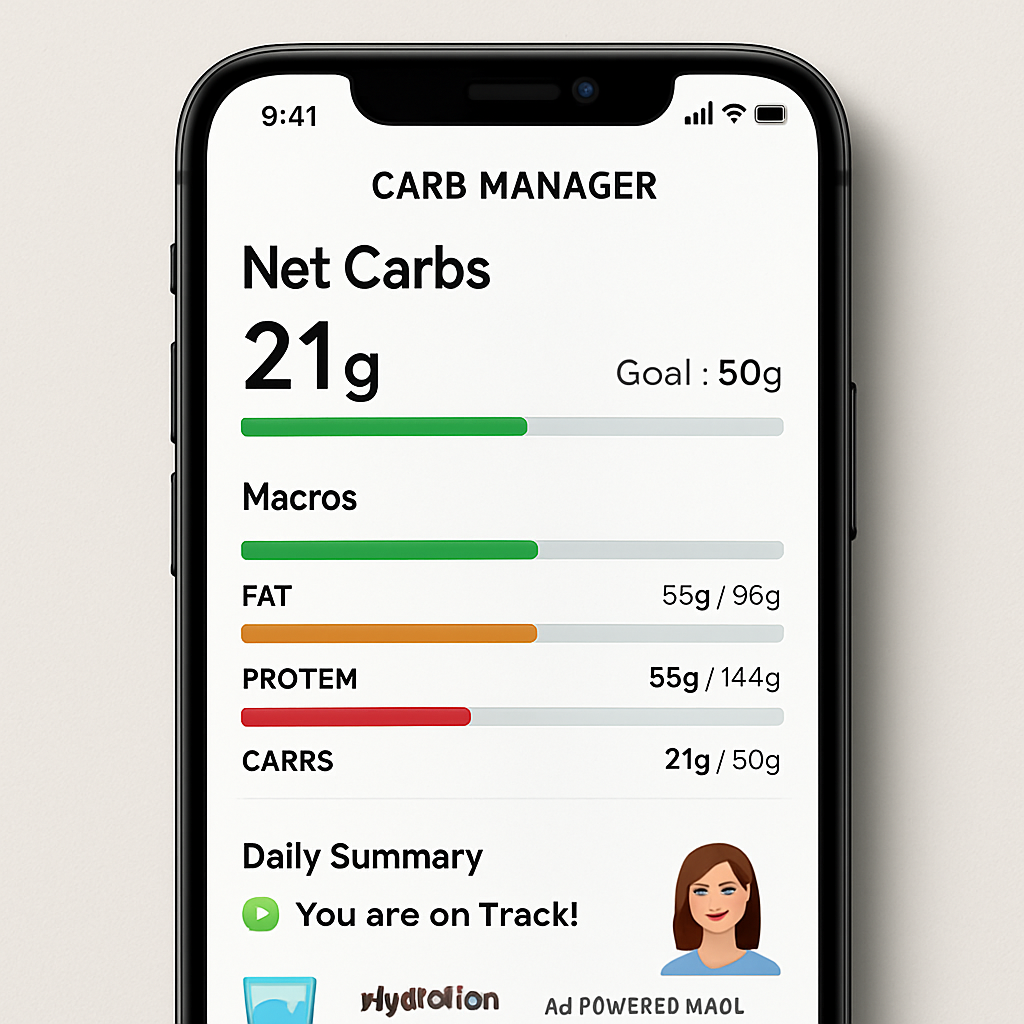
First off, the dashboard is stripped down to the essentials: net carbs, total carbs, protein, fat, and calories. No extra micronutrient tables you never use. When you open the app, the top bar instantly tells you how many net carbs you’ve consumed today and how many you have left to stay under your target.
That visual cue is a game‑changer for anyone who’s tried to stay below 20 g of net carbs and kept losing track after a lunch out. You get a quick glance, you know whether you can have that slice of pizza or need to swap it for a leafy side.
Photo‑first logging, low‑carb style
Just like Yazio, Carb Manager lets you snap a photo of your meal. The AI then suggests the most likely foods, but it also flags hidden carbs – think sauces, dressings, and even the “sweetener” in a low‑fat yogurt. You tap to confirm, adjust the portion, and the app instantly recalculates net carbs.
One busy software engineer told me she cut her logging time from five minutes to under a minute by using the photo feature. That extra minute? She spent it walking the dog, which helped her stay active on days when the carb count felt tight.
Built‑in keto tools
Carb Manager isn’t just a food diary; it’s a full keto toolkit. You can set custom macro ratios – for example, 5 % carbs, 25 % protein, 70 % fat – and the app will highlight when you drift off that balance. The “Macro Ratio” bar turns green when you’re on target, amber if you’re edging high on carbs, and red if you’ve busted the limit.
There’s also a built‑in “net carb calculator” that automatically subtracts fiber and sugar alcohols, so you don’t have to do the math yourself. That’s especially handy for low‑carb bakers who love almond flour but get tripped up by the fiber count.
Community recipes that actually fit your plan
Think community features always mean generic challenges. Carb Manager’s recipe library is curated by keto enthusiasts, so every dish comes with a pre‑filled macro breakdown. You can save a favorite, add it to your weekly plan, and the app will adjust your daily carb budget accordingly.And if you’re the type who loves a little friendly competition, there are “Keto Streak” challenges that reward consistency rather than bragging rights. Miss a day? No worries – the streak pauses, but you still keep your overall progress stats.
Syncing with your life
Carb Manager talks to Apple Health, Google Fit, and most major wearables. Your step count, active minutes, and even heart‑rate zones feed into a dynamic calorie budget. On high‑intensity days, the app nudges you with a gentle “You have a bit more carb room today” note, preventing the dreaded “I’m stuck” feeling.
Hydration reminders are baked in, too. After every logged meal, you get a prompt to sip water – a simple habit that many low‑carb dieters overlook.
Quick 3‑step starter for low‑carb success
- Set your net‑carb target (most keto folks aim for 20–30 g).
- Log every meal for three days using the photo scanner. Watch the net‑carb bar and adjust portions on the fly.
- At the end of each day, review the “Macro Ratio” chart. If carbs spiked, note the culprit (often a hidden sauce) and plan a swap for tomorrow.
By the end of the week you’ll spot patterns you never noticed – maybe you’re eating a lot of “low‑fat” yogurts that hide extra carbs, or your favorite salad dressing is the sneaky offender.
So, does Carb Manager feel like the right myfitnesspal alternative for your low‑carb journey? If you’ve tried generic trackers and still end up guessing your net carbs, give Carb Manager a spin. The focused dashboard, photo‑first logging, and keto‑centric tools make the whole process feel less like math and more like a conversation with a buddy who’s got your back.
Ready to tighten your carb game without the headache? Install Carb Manager, set that net‑carb limit, and let the app do the heavy lifting while you enjoy the foods you love.
6. Fooducate – Smart Food Scanning
Ever wish you could just point your phone at a package and instantly know if it fits your goals? Fooducate tries to turn that wish into reality with its smart scanning engine.
When you tap the barcode icon, the app pulls up a color‑coded “grade” (A to F) that sums up calories, added sugars, saturated fat, and ingredient quality. It’s like a quick report card you can read while you’re still in the grocery aisle.
Why the grade matters
Instead of scrolling through a 200‑line nutrition table, you get a single letter and a few bullet points: “High in sugar,” “Contains artificial sweetener,” or “Good source of fiber.” That’s the kind of instant feedback busy professionals love – you can decide in seconds whether to grab that granola bar or keep hunting.
And if you’re tracking macros, Fooducate automatically logs the calories, carbs, protein, and fat for you. No manual entry, no guesswork.
Personalized nudges
After a few meals, the app starts suggesting swaps that match your eating patterns. Say you often log a sugary cereal; Fooducate might recommend a lower‑sugar oat option and show you the calorie difference side‑by‑side.
It also syncs with Apple Health and Google Fit, so the calories you burn get subtracted from your daily budget. The result feels less like a spreadsheet and more like a conversation with a buddy who’s watching your back.
Hydration and habit tracking
One overlooked gem is the built‑in water reminder. Every time you log a meal, a gentle “Time for a glass?” pops up. Over a week, many users notice they’re drinking a couple of extra glasses without even thinking about it.
Fooducate also lets you set daily goals beyond calories – think “limit added sugar to 25 g” or “eat five servings of veg.” The progress bar turns green when you’re on track, amber when you’re close, and red if you’ve slipped.
Community wisdom
The community forum is a place where real people share quick recipes, label‑reading tricks, and grocery‑store hacks. Because the advice comes from folks who face the same time constraints, it feels less generic and more actionable.
But don’t just take my word for it; try the free tier for a few days, scan a handful of items, and see how the grade system reshapes your grocery decisions.
If you go premium, Fooducate unlocks deeper analysis like a breakdown of micronutrients, a weekly report that flags trends, and a built‑in recipe builder that lets you enter homemade meals and still get that trusty letter grade. The extra insights are handy when you’re fine‑tuning a specific goal, such as lowering sodium or boosting fiber, because the app highlights the exact foods that need tweaking.
| Feature | How Fooducate Helps | Quick Tip |
|---|---|---|
| Barcode & Photo Scan | Shows A‑F grade, auto‑fills macros | Scan before you put item in cart |
| Personalized Swaps | Suggests healthier alternatives based on your history | Accept one swap per meal to start |
| Water & Goal Reminders | Pushes hydration alerts after each log | Set a daily water goal in settings |
So, does Fooducate earn a spot on your “myfitnesspal alternatives” shortlist? If you crave quick visual cues, automatic macro capture, and a habit‑building coach that lives in your phone, the answer is probably yes.
Take the next step: open the app, scan the snack you’re about to eat, and watch the grade pop up. That tiny moment of insight can steer you toward a smarter choice without breaking your flow.
Conclusion
We’ve taken a quick tour of the top myfitnesspal alternatives, from Cronometer’s micronutrient deep‑dives to Fooducate’s instant grade scans.
If any of those moments felt like a lightbulb—“I can finally see what I’m really eating”—you’re not alone.
So, what’s the bottom line? You don’t need a one‑size‑fits‑all app to stay on track.
Pick the tool that matches your habit style: quick barcode snaps for busy pros, or detailed nutrient logs for the data‑hungry.
And remember, the app is only as good as the consistency you bring.
Try a free tier for a few days, scan a snack, and watch that grade or macro summary pop up.
If the numbers line up with your goals—lower sodium, more fiber, steady carbs—you’ve found a winner.
Don’t be afraid to switch later; the best part of the ecosystem is that you can hop between apps as your needs evolve.
Want a quick cheat sheet? Start with three meals logged, note one metric you care about, and adjust one food per day.
In a week you’ll see patterns—maybe you’re over‑relying on sugary bars or missing leafy greens.
Fix one small thing, and you’ll feel the ripple effect in energy, mood, and even sleep.
Bottom line: there’s a myfitnesspal alternative out there that fits your life, and it’s waiting right on your phone.
So go ahead—open the app that speaks your language, log that first meal, and watch your habits get smarter, one snap at a time.
FAQ
What are the best myfitnesspal alternatives for quick barcode scanning?
If you love snapping a barcode and instantly seeing calories, look for apps that put the scanner front‑and‑center. Lose It! and Fooducate both launch straight into a barcode mode, so you can log a snack in under five seconds. The key is to pick one that syncs with your wearable – that way the calories you burn automatically adjust your daily budget, keeping the whole process hands‑free.
Can I track micronutrients without feeling overwhelmed?
Absolutely. While MyFitnessPal shows a long list of vitamins, apps like Cronometer focus on the nutrients that matter to you. Set a single target – say vitamin D or magnesium – and the dashboard highlights just that. You’ll still see the big picture, but the app hides the noise, letting you make one small tweak each week without drowning in data.
Is there a myfitnesspal alternative that works well for low‑carb or keto diets?
Yes, Carb Manager is built for net‑carb counting. It strips away extra macros and shows you a clear “carbs left” bar at the top of the screen. You can also add a photo of your meal, and the AI flags hidden carbs in sauces or dressings. Pair it with a water reminder and you’ve got a lean, focused tool that doesn’t force you to scroll through unrelated nutrients.
How do AI‑powered apps make meal logging less tedious?
AI‑driven tools like Yazio let you snap a photo of your plate, then suggest the most likely foods and portion sizes. You confirm or tweak in seconds, and the app instantly breaks down calories, macros, and even a quick nutrient insight card (“add broccoli for extra fiber”). This cuts logging time from minutes to seconds, so you spend more time enjoying your meal and less time typing.
Do any myfitnesspal alternatives integrate with Apple Health or Fitbit?
Most of the top alternatives – Lose It!, MyPlate, Yazio, and Cronometer – sync with Apple Health, Fitbit, and Google Fit. Once linked, steps, active minutes, and heart‑rate data flow into the app, automatically adjusting your calorie allowance for the day. That means you don’t have to manually enter workouts; the app does the math, keeping your budget realistic and your progress honest.
What’s the best way to start using a new food‑tracking app?
Kick off with a three‑day “cheat‑sheet” challenge. Pick one metric that matters to you – calories, net carbs, or a specific micronutrient. Log every meal, snack, and drink, using the barcode or photo feature to speed things up. At the end of each day, review the summary, note the biggest deviation, and swap one food item for a better option tomorrow. By day four you’ll see patterns without feeling swamped.
Will switching apps mess up my historic data?
Most apps let you export a CSV or PDF of your past logs. Before you jump, export your MyFitnessPal data, then import it into the new platform if the feature exists (Cronometer and Lose It! both support imports). Even if you start fresh, the habits you build – consistent logging, barcode scanning, and daily check‑ins – remain the same, so your progress keeps moving forward.