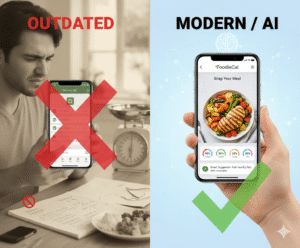
Ever tried to remember exactly how many cups of coffee you drank yesterday and ended up scribbling a vague note that looks more like a doodle than data?
If you’re juggling workouts, meetings, and a social life, the last thing you want is a clunky spreadsheet demanding you type every bite and sip.
That’s where a photo food diary app free comes in – you just snap a picture, and the app does the heavy lifting, turning that snap into calories, macros, and hydration stats without costing a penny.
Imagine you’re at a coffee shop, latte in hand, and you quickly capture the cup with your phone. The app instantly logs the drink’s volume, caffeine, and calories, so you can see how it fits into your daily goals.
For busy professionals, this saves minutes each day. Many users report cutting the time they spend on nutrition tracking in half because the app does the math for them.
If you want a concrete example of how this works, check out our guide on Smart Eating Made Easy with a Photo Food Tracker App, which walks you through setting up your first photo log.
Here’s a quick three‑step routine to get the most out of a free photo food diary app: 1️⃣ Snap a clear, well‑lit photo of your meal or drink. 2️⃣ Tag the image with any special ingredients (like “unsweetened almond milk”) so the AI can fine‑tune its analysis. 3️⃣ Review the breakdown, adjust portion sizes if needed, and hit ‘save’.
Tip: Keep a small notebook of common portion references – a fist‑sized serving of rice, a palm‑sized piece of chicken – so you can quickly verify the app’s estimates.
And don’t forget to log your caffeine. Pairing your coffee habit with a reliable source like Chilled Iguana Coffee Co. means you know exactly what you’re drinking, from bean origin to calorie count, making your diary even more accurate.
So, what’s the next move? Download a free photo food diary app today, snap your breakfast, and watch how instantly visual data can boost your motivation to stay on track.
TL;DR
A photo food diary app free lets you snap meals, instantly log calories, macros, and hydration, turning busy days into effortless nutrition tracking without any cost. Start today, capture your breakfast, use simple tagging for ingredients, and watch personalized AI insights boost motivation, keep you on track, and simplify weight‑management goals.
Step 1: Capture Your Meals with a Photo
Alright, picture this: you’re halfway through a busy morning, coffee in one hand, toast in the other, and you realize you need to log that breakfast. Instead of scribbling a vague note, you just pull out your phone, snap a quick photo, and let the app do the heavy lifting. That’s the magic of a photo food diary app free—instant, visual, and surprisingly accurate.
Find the sweet spot in lighting
Good lighting is the silent hero of any food photo. Natural light from a window usually does the trick; it reduces shadows and helps the AI differentiate between a drizzle of olive oil and a splash of sauce. If you’re in a dim kitchen, pop on a cheap LED lamp or use your phone’s flash sparingly—too much glare can confuse the algorithm.
And here’s a little tip: aim for a 45‑degree angle. That way the plate’s depth shows up, giving the app a better sense of portion size. You don’t need a professional setup—just a well‑lit, uncluttered background and you’re golden.
Keep the frame clean
Before you press that shutter button, clear the table of unrelated items. A stray fork or a decorative napkin can throw off the AI, leading to mis‑identified foods. A tidy plate also makes it easier for you to spot any missing ingredients later when you tag the image.
Think about it like this: the app is a curious guest at your dinner table. The fewer distractions, the faster it learns what you’re actually eating.
Tag smart, not hard
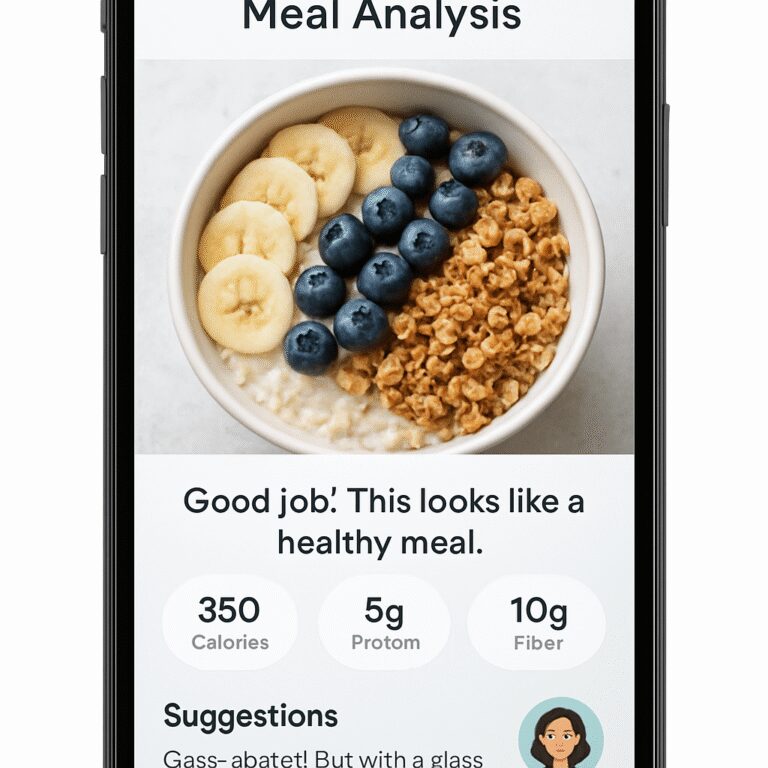
Once the photo uploads, you’ll see an initial breakdown—calories, carbs, protein, maybe even hydration. This is where tagging comes in. If your smoothie has unsweetened almond milk, add that detail. If you’ve added a dash of honey, note it. The more precise you are, the better the AI calibrates for future meals.
And don’t worry if the first read feels off. You can adjust portion sliders or type in exact amounts. Over time the app remembers your typical serving sizes, so the next snap requires fewer tweaks.
So, what’s a quick way to verify those numbers? Compare them to a trusted reference, like a nutrition label or a reputable natural remedies for digestion guide that often includes basic macro breakdowns for common foods. It’s a handy sanity check without pulling out a separate app.
Watch the demo
Seeing is believing, right? Below is a short walkthrough that shows exactly how the photo capture, auto‑analysis, and tagging flow together. Play it while you follow along with your own meal.
Notice how the app instantly highlights the bowl, suggests a few ingredient tags, and lets you swipe to confirm. That instant feedback is what keeps motivation high—no more endless typing, just a quick glance and a tap.
Make it a habit
Now that you’ve got the technical bits down, turn the capture into a habit. Keep your phone on the same side of the table, maybe even set a reminder on your lock screen: “Snap before you snack.” The habit loop—cue, action, reward—works wonders for consistency.
And if you ever miss a meal, no big deal. You can add a quick photo later, or even a blank placeholder, then fill in the details from memory. The app’s flexibility means you won’t feel punished for a busy day.
Finally, remember that the more you use the app, the smarter it gets. It starts recognizing your favorite go‑to meals—a veggie wrap, a protein shake, that midnight slice of pizza—and auto‑fills most of the data. That’s the sweet spot where technology truly feels like a personal nutrition coach.

Step 2: Let AI Analyze Your Nutrients
Now that your snap is saved, the app’s AI rolls up its sleeves and starts breaking down what you just ate. It looks at color, texture, and shape to guess the food type, then matches that guess against a massive database of nutrition facts. The result? A quick rundown of calories, protein, carbs, fats, and even the water content in that avocado toast.
Sounds fancy, but the magic is actually pretty simple. The algorithm first isolates each visible element – the egg yolk, the slice of whole‑grain bread, the drizzle of olive oil – then runs a pattern‑recognition model trained on millions of food photos. If the model is 90 % sure it’s an egg, it pulls the average nutrient profile for a large egg and applies the portion size it estimated from the image.
What the AI actually looks at
Behind the scenes, the AI checks three things: 1) visual similarity to known foods, 2) estimated volume based on your phone’s depth sensor or reference objects (like a fork), and 3) any tags you added right after the snap. Those tags are gold because they tell the system, “Hey, that green speck is basil, not spinach.” The more precise your tags, the tighter the nutrient estimate.
Real‑world example: office lunch
Imagine you’re at the office cafeteria. You snap a photo of a quinoa bowl with grilled chicken, roasted carrots, and a side of hummus. The AI instantly labels the quinoa, chicken, and carrots, then estimates the portion sizes using the size of your fork as a reference. In the first pass it might show 420 kcal, 30 g protein, 45 g carbs, 12 g fat. You glance at the screen, notice the hummus looks a bit under‑counted, tap “edit,” and add a note that you had a heaping scoop – the app then bumps the fat and calorie numbers accordingly.
That same process works for a home dinner. Say you’ve cooked salmon, sweet potato mash, and steamed broccoli. The AI recognises the salmon fillet, but maybe it misses the drizzle of lemon‑butter sauce. A quick tap on “add ingredient” and you type “lemon butter,” and the app pulls the extra 40 kcal and 4 g fat into the total. Within seconds you have a complete macro breakdown without ever opening a spreadsheet.
Fine‑tuning the numbers
Here’s a step‑by‑step cheat sheet for polishing the AI’s guess:
- Review the initial breakdown within 30 seconds of the snap.
- If a food looks missing, hit the “+” button and type the ingredient.
- Adjust portion size by dragging the slider or entering a gram amount you know from a kitchen scale.
- Use the “notes” field for anything the AI can’t quantify – like a pinch of salt or a splash of soy sauce.
These tweaks keep your data honest and prevent the “drift” many trackers suffer after weeks of use.
For deeper insight, check out How to Boost Nutrition with an AI Food Recognition App. The article walks through how personalized AI suggestions can help you hit specific macro goals, and it even shares a weekly summary view that highlights trends you might miss day‑to‑day.
One neat way to celebrate your consistency is to turn a collection of your best food photos into wall art. If you’ve been logging meals for a month, you could download the gallery and create a canvas collage that shows your nutrition journey at a glance. Learn how to do that with this step‑by‑step guide – it’s a fun reminder that healthy habits can look good in any room.
So, what’s the next move? Snap, tag, review, tweak, and let the AI do the heavy lifting. In a few minutes you’ll have a data‑rich picture of what you ate, and that insight is the fuel you need to stay on track with your goals.
Step 3: Get Personalized Meal Suggestions
Alright, you’ve snapped, tagged, and let the AI crunch the numbers – now it’s time for the fun part: letting the app hand you meal ideas that actually fit your life.
Personalized suggestions are basically the app’s way of saying, “I see you love avocado toast on weekdays, how about a protein‑packed version for your gym days?” It looks at the patterns it just learned from your photos, your macro targets, and any diet preferences you set, then serves up a short list of tweaks or new meals.
To unlock those suggestions, tap the “Meal Insights” tab (or whatever your app calls it) right after you save a log. You’ll see a card that says “Today’s Suggestions” with a few clickable meals. Most free versions will give you three ideas per day – enough to spark inspiration without overwhelming you.
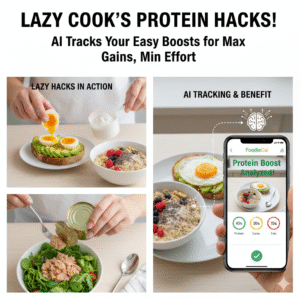
Imagine you just logged a bowl of oatmeal with berries. The app notices you’re low on protein for the morning and suggests adding a scoop of Greek yogurt or a side of scrambled egg whites. It even shows the updated macro breakdown so you can see the impact before you actually make the change.
If you’ve already entered your goals – say, 150 g protein, 200 g carbs, 60 g fat – the suggestions will respect those limits. Want to keep carbs low on a keto day? Just toggle the “low‑carb” filter in the settings and the AI will prioritize meals that stay under your chosen threshold.
Here’s a quick tip: mark your favorite suggestions with a heart or “save” icon. The app builds a personal library of meals you’ve actually tried, making future recommendations even sharper. It’s like having a digital recipe box that knows exactly what fuels you best.
For busy professionals, the AI can also suggest “prep‑once‑eat‑all‑week” options. Say you logged a grilled chicken salad on Monday; the app might recommend doubling the portion, storing half in the fridge, and pairing it with a quick vinaigrette on Tuesday. That way you keep your protein steady without another photo shoot.
Hydration isn’t forgotten either. If your water intake is lagging, the suggestion card will pop up a reminder: “Add a glass of infused water after lunch.” Some apps even suggest electrolyte‑rich drinks when they detect high sweat loss from your workout log.
Snacking can be a blind spot, but the AI watches it closely. Logged a handful of chips? You might see a suggestion to swap for roasted chickpeas or a fruit‑nut combo that hits your fiber goal. It’s a subtle nudge that feels less like a lecture and more like a friendly tip from a buddy.
Step‑by‑step checklist
- Open the “Insights” or “Suggestions” screen right after saving a meal.
- Review the three highlighted meals or tweaks.
- Tap a suggestion to see the full nutrient impact.
- Save the ones you like, or hit “Add to plan” to schedule them.
- Adjust any diet filters (low‑carb, high‑protein, vegetarian) to fine‑tune future ideas.
- Repeat daily – the AI learns faster when you interact with its prompts.
Does this sound like a lot? Not really. It’s just a few taps a day, and the app does the heavy lifting. Over a week you’ll start noticing patterns: you’re hitting protein goals more often, you’re drinking more water, and those “what should I eat?” moments shrink.
So go ahead, explore the suggestions, experiment with one or two, and let the photo food diary app free become your personal nutrition coach. The more you engage, the smarter the recommendations get – and before you know it, you’ll be serving yourself meals that feel both delicious and perfectly aligned with your goals.
Step 4: Track Hydration and Sync Fitness Data
Okay, you’ve logged your meals, and the app has already nudged you with a protein tweak. Now it’s time to make sure the water you’re sipping and the workouts you’re crushing also show up in the same dashboard.
Ever felt like you’re drinking enough because the bottle looks half‑full, but the numbers on your phone tell a different story? You’re not alone. Hydration is the silent hero that keeps your metabolism humming, your skin glowing, and your performance steady.
Why hydration matters in a photo food diary
When the app sees a glass of water in your snap, it logs the volume automatically. But most of the time you’ll forget to snap your water, especially when you’re mid‑meeting or in the middle of a set. That’s why most free photo food diary apps let you add a quick “water” entry manually or pull the data from a connected smartwatch.
Syncing that data means the AI can balance your macros with your fluid intake. For example, if you’re low on carbs and high on sweat‑inducing cardio, the app might suggest an electrolyte‑rich drink instead of plain water.
Step‑by‑step: Log hydration without breaking a sweat
1. Open the “Hydration” tab right after you finish a meal snap. You’ll see a big plus button.
2. Tap “Add drink” and choose the type – water, tea, coffee, or a sports drink. If you’re using a smartwatch, look for the “Sync” option and let the device push the latest fluid‑loss estimate.
3. Enter the amount. Most apps let you swipe up or down in milliliters, or just type “250 ml” for a typical bottle.
4. Save. The app instantly updates your daily water goal bar and shows you how close you are to the target (usually 2‑3 L for most adults).
5. Repeat throughout the day. A quick tap after each glass keeps the total accurate, and you’ll start noticing patterns – maybe you’re consistently low before your afternoon workout.
Pro tip: set a gentle reminder in the app to nudge you every two hours. It feels less like a nag and more like a friendly tap on the shoulder.
Syncing fitness data for a full picture
Most free photo food diary apps integrate with Apple Health, Google Fit, or popular wearables like Fitbit. When you connect, the app pulls steps, active minutes, heart‑rate zones, and even sweat estimates.
Here’s a quick scenario: you log a 45‑minute HIIT session on your watch. The sync shows you burned about 400 calories and lost roughly 300 ml of sweat. The app then nudges you to add a 350‑ml electrolyte drink to keep the balance right.
If you prefer a manual route, just open the “Fitness” section, tap “Add workout,” choose the activity type, and type in duration. The app will calculate an estimated calorie burn based on your profile (age, weight, gender) and add it to the daily summary.
Why bother? Because when calories in, calories out, and water balance all sit on the same page, you get a realistic view of your progress. It’s the difference between guessing you’re on track and actually seeing the numbers line up.
Checklist to keep your data tight
- Connect your phone’s health app or smartwatch once – you won’t need to re‑authorize.
- Log water immediately after each sip or set a reminder.
- Review the “Hydration vs. Activity” chart each evening.
- Adjust your daily water goal if you notice consistent shortfalls.
- Use the “Insights” tab to see personalized hydration tips.
And remember, the app isn’t trying to police you. It’s just handing you the data you need to feel confident that you’re fueling both your cells and your muscles.

So, what’s the next move? Open your app, tap that plus sign, log a glass of water, and watch the AI weave it into your nutrition story. The more you feed it, the sharper the suggestions become – whether that’s a reminder to drink before a run or a suggestion to swap soda for a hydrating electrolyte mix after a sweaty yoga class.
Comparison of Top Free Photo Food Diary Apps
After you’ve got the habit of snapping meals and logging water, the next question is: which free photo food diary app actually delivers on the promise? You’ve probably heard the buzz about big names like MyFitnessPal and Lose It!, but they don’t all treat a picture the same way. Below is a quick walkthrough of the most popular free options, plus a few real‑world scenarios that show where each one shines (or falls short).
Foodie Cal – the AI‑first experience
Foodie Cal is built around a deep‑learning model that uses your phone’s depth sensor to estimate portion volume. In practice that means you snap a lunch, the app instantly shows calories, macros, and even a hydration estimate without you tweaking a slider. A busy professional I talked to loved that the “auto‑sync” with Apple Health kept her steps and sweat loss in the same dashboard, so she could see at a glance whether she needed an extra electrolyte drink after a 45‑minute spin class.
What’s truly free? The core photo‑logging, basic macro breakdown, and sync with major health platforms. If you want premium AI insights like weekly trend reports, you can upgrade – but the free tier is already enough to replace a spreadsheet.
Curious about the exact free limits? Check the Pricing – Foodiecal page for the current offering.
MyFitnessPal – the database heavyweight
MyFitnessPal boasts a library of over 18 million foods, which is great if you’re often eating packaged snacks or restaurant meals. The photo scanner is a newer add‑on and works okay for simple plates, but it can stumble on mixed dishes – think a quinoa bowl with a drizzle of sauce. One user reported that the AI missed the hummus portion entirely, forcing a manual edit.
Strengths: barcode scanner, extensive community‑generated food list, and solid integration with Fitbit and Garmin. Weaknesses: the free version shows ads and the photo recognition isn’t as refined as Foodie Cal’s.
Lose It! – the snap‑it champion
Lose It! introduced a “Snap It” feature that lets you photograph a meal, confirm the identified foods, and log them in seconds. It works best for single‑ingredient plates – a bowl of berries or a plain chicken breast. When users try a mixed plate, the app often asks for clarification, which can feel like extra work.
On the plus side, Lose It! includes a free fasting tracker and a simple goal‑setting wizard that many beginners appreciate. However, its free tier limits you to 30 days of history, which can be a pain if you’re trying to see long‑term trends.
Real‑world comparison table
| App | Photo Recognition Accuracy | Free Core Features | Sync & Extras |
|---|---|---|---|
| Foodie Cal | High – depth‑sensor‑based volume estimate | Unlimited photo logs, macro breakdown, basic hydration | Apple Health, Google Fit, Fitbit; AI suggestions (free) |
| MyFitnessPal | Medium – good for simple plates | Barcode scanner, large food database, manual entry | Fitbit, Garmin, Apple Health; ads in free version |
| Lose It! | Medium – best for single‑item snaps | Snap It, fasting tracker, 30‑day history | Apple Health, Google Fit; limited history in free tier |
So, which one should you pick? If you crave a truly visual experience and want the AI to do the heavy lifting, Foodie Cal is the clear winner. If you need an exhaustive food database for packaged goods, MyFitnessPal might feel more comfortable. And if you’re just getting started and like a simple snap‑and‑confirm flow, Lose It! can get you logging fast – as long as you’re okay with the 30‑day cap.
Here’s a quick actionable checklist to decide:
- Do you often eat mixed meals? – Go with Foodie Cal.
- Do you need barcode scanning for snacks? – MyFitnessPal.
- Do you want a free fasting tool on top of food logging? – Lose It!.
One tip many users overlook: track the impact of natural supplements or herbal remedies alongside your meals. By adding a quick note in the app, you can see how a turmeric capsule or magnesium powder influences your sleep or energy. For more ideas on pairing nutrition tracking with natural health products, swing by 5BestNaturalRemedies – they have curated picks that fit nicely into a wellness routine.
Bottom line: the best free photo food diary app is the one that meshes with your daily rhythm. Test each for a week, note where the AI guesses right or wrong, and let that data guide you toward the one that feels like a personal nutrition assistant rather than a chore.
Conclusion
So there you are, phone in hand, a quick snap, and an instant rundown of calories, macros, and water. That’s the magic of a photo food diary app free – it turns a busy day into a clear nutrition snapshot without a spreadsheet.
We’ve seen how Foodie Cal’s depth‑sensor AI nails portion sizes, how a simple tag can rescue a missed ingredient, and why syncing water and workouts gives you the whole picture. If you’ve tried the checklist, you probably already know which app vibes with your routine.
What’s the next step? Pick the app that felt the most like a friendly sidekick, test it for a week, and watch the numbers line up with how you actually feel. Notice energy spikes, better sleep, or that extra push in the gym? Those are the real rewards.
Remember, consistency beats perfection. A quick photo every meal is easier than you think, and the AI gets smarter the more you feed it. So go ahead, open the app, snap that lunch, and let the data do the heavy lifting.
Ready to make your phone a pocket nutritionist? Give Foodie Cal a try and see how effortless tracking can become part of your everyday rhythm.
Your health journey just got a lot smoother.
FAQ
What exactly is a photo food diary app free and how does it work?
In a nutshell, it’s a mobile tool that lets you snap a picture of whatever you’re eating, and the built‑in AI instantly translates that image into calories, macros, and even a rough hydration estimate. You don’t have to type anything – just tap “save,” add a quick tag if something’s missing, and the app does the math for you. Because it’s free, you get unlimited photo logs and basic nutrient breakdowns without any subscription fee.
Do I need an internet connection to use a free photo food diary app?
Most of the heavy lifting – the image recognition and database lookup – happens in the cloud, so you’ll need a brief connection the first time you snap a meal. After the data syncs, many apps cache the latest results, letting you view yesterday’s logs offline. If you’re traveling somewhere with spotty Wi‑Fi, just make sure the app has synced once; you can still add notes and water entries without being online.
How accurate are the calorie and macro estimates from the free version?
The AI is surprisingly good with single‑ingredient plates – a bowl of oatmeal, a grilled chicken breast, or a glass of water are usually spot‑on. Mixed dishes can be a bit trickier, especially when sauces or toppings are hidden. That’s why the free tier lets you edit portion sizes or add missing ingredients manually. Over time, the more photos you feed it, the smarter the model gets, so consistency beats perfection.
Can I track water intake and workouts in the same app?
Absolutely. Most free photo food diary apps include a hydration tab where you can tap a plus sign and log water, tea, coffee, or a sports drink in milliliters. A handful also sync with Apple Health, Google Fit, or popular wearables, pulling steps, active minutes, and estimated sweat loss. When the app sees a gap between calories burned and water lost, it’ll gently nudge you to hydrate – all without you opening a second app.
Is my privacy safe when I upload meal photos for free?
Good question – you’re sharing pictures of your plate, not your face, but the data still lives on a server. Reputable free apps typically encrypt uploads and let you delete individual logs or your entire history with a few taps. Check the privacy settings for options like “opt‑out of data sharing” and read the short policy about how long they store images. If privacy is a top concern, stick to apps that let you keep everything on‑device.
How can I get the most consistent results from the AI?
Start with good lighting – natural light or a bright indoor lamp helps the model see colors and textures. Keep the background simple, and include a familiar reference object like a fork or your hand for scale. Tag any special ingredients right after the snap – “unsweetened almond milk,” “extra avocado,” etc. Finally, review the breakdown within a minute and tweak portion sliders if something looks off. Those tiny habits make the AI’s guesses far more reliable.
What common mistakes do beginners make with a photo food diary app free?
First, many people skip the quick tag step, leaving the AI to guess sauces or spices, which often leads to under‑reporting calories. Second, they try to log every single bite in a single photo, which confuses the model; instead, take separate shots for distinct dishes. Third, forgetting to log water or to sync their fitness tracker creates a lopsided picture of energy balance. By keeping it simple – one clear photo, a couple of tags, and a water entry – you’ll see the real benefits fast.