Ever stared at a blank meal planner and wondered how on earth you could fit enough protein into just 1,200 calories without starving yourself? You’re not alone—many of us juggling workouts, work meetings, and family dinners feel that pinch.
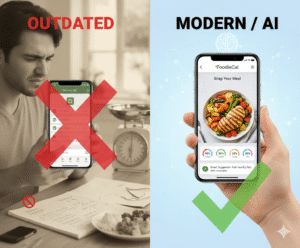
Imagine this: you’re a busy professional who wants to keep lean muscle while cutting a few pounds. You pull out a quick photo of your lunch, and the app instantly tells you you’ve got 30 grams of protein and only 350 calories left for the day. No math, no guesswork, just clear data that lets you make smart tweaks on the fly.
That’s the sweet spot of a 1200 calorie high protein meal plan. It’s not about eating tiny portions of chicken forever; it’s about stacking nutrient‑dense foods—Greek yogurt, eggs, legumes, lean turkey, and even protein‑rich quinoa—so you stay full, fueled, and on track. Research shows that higher protein intake can preserve muscle mass during calorie restriction, which means you’ll look toned, not skinny.
Here’s a quick snapshot of how a day might look:
- Breakfast: Veggie‑packed egg white omelet with feta (250 cal, 28 g protein)
- Snack: Greek yogurt with berries and a sprinkle of chia seeds (150 cal, 15 g protein)
- Lunch: Grilled chicken salad with mixed greens, avocado, and a drizzle of olive oil (350 cal, 35 g protein)
- Afternoon snack: A handful of roasted edamame (100 cal, 10 g protein)
- Dinner: Baked salmon with roasted broccoli and quinoa (350 cal, 30 g protein)
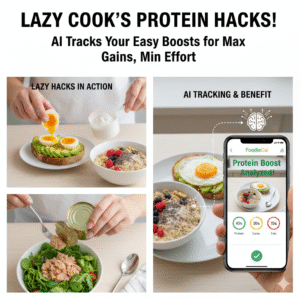
Notice how each meal hits a protein goal while staying under the calorie ceiling? The trick is planning ahead and using tools that make tracking effortless. That’s where a high protein recipes app can be a game‑changer—you get AI‑driven suggestions, portion visuals, and hydration reminders all in one snap.
So, what’s the first step? Start by logging today’s meals in your phone, aim for at least 0.8 g of protein per pound of body weight, and adjust portions until you hit the 1,200‑calorie mark. It feels messy at first, but the more you do it, the more intuitive it becomes. Ready to give your body the fuel it craves without over‑eating? Let’s dive into the full plan and see how easy smart eating can be.
TL;DR
If you’re juggling workouts, meetings, and meals, the 1200‑calorie high‑protein plan gives you enough protein to protect muscle while keeping calories low, using simple foods you can snap and log in seconds. With Foodie Cal’s AI‑driven tracker, you’ll see exact macros, stay hydrated, and hit your goals without endless calculations.
Step 1: Calculate Your Daily Protein Needs
Alright, let’s tackle the first piece of the puzzle: figuring out exactly how much protein you need each day.
The good news is you don’t need a PhD in nutrition – a simple formula does the trick.
Pick your weight‑based target
Most busy professionals find 0.8 g of protein per pound of body weight a solid baseline when they’re on a 1,200‑calorie plan. If you’re training hard or want extra muscle‑sparing power, bump that up to 1 g per pound.
Here’s why it works: protein fuels muscle repair, keeps you satiated, and burns more calories during digestion than carbs or fat.
Do the math in seconds
Step‑one: weigh yourself in pounds. Step‑two: multiply by your chosen factor (0.8‑1). That number is your daily gram goal.
Say you’re 165 lb. 165 × 0.8 = 132 g of protein. Or, if you’re hitting the gym hard, 165 × 1 = 165 g.
Now break that total into meals. With a 1,200‑calorie ceiling you’ll want roughly 20‑30 g of protein per sitting, leaving room for carbs and fats.
A quick cheat‑sheet:
- Breakfast: 25 g
- Mid‑morning snack: 15 g
- Lunch: 30 g
- Afternoon snack: 15 g
- Dinner: 30 g
If the numbers feel fuzzy, snap a photo of your plate in Foodie Cal. The AI instantly tells you how many grams you’ve just logged, so you can tweak on the fly.
Tip: aim for a protein source that also brings fiber or healthy fats – Greek yogurt with nuts, a turkey wrap with avocado, or lentil soup topped with olive oil.
Need a visual walk‑through? Check out the short video below – it shows how to log a meal and watch your protein total climb in real time.
Notice how the app highlights each high‑protein ingredient? That little nudge can keep you from sneaking in extra carbs when you’re racing against the clock.
If you’re on cardio‑heavy days, you might want to nudge that factor to 0.9 g per pound. On rest days, 0.7 g still protects muscle while shaving a few calories. The key is to listen to your body – notice when you feel hungry between meals and adjust the protein chunks accordingly.
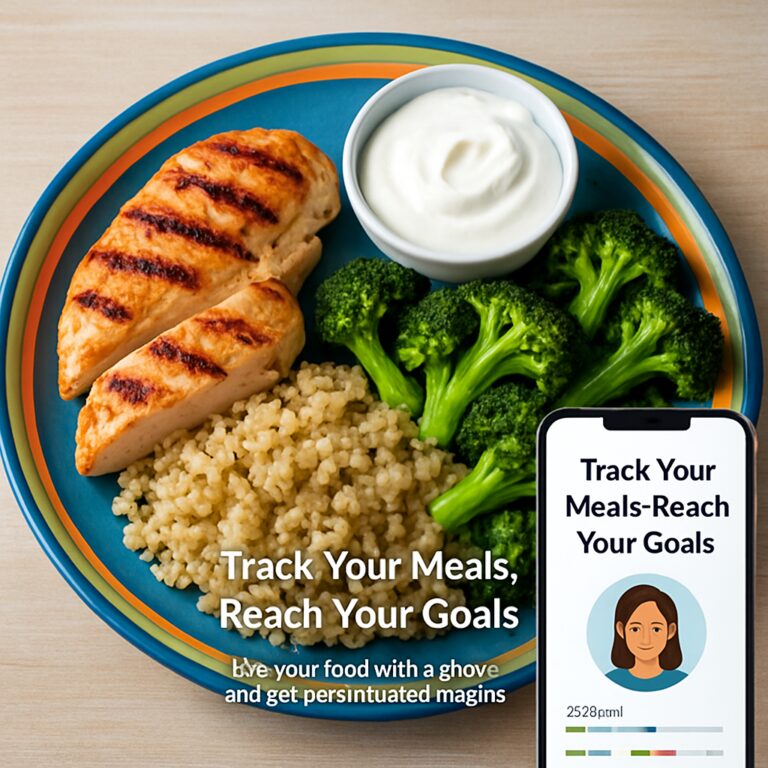
Here’s a snapshot of a balanced plate that hits the 1200‑calorie, high‑protein sweet spot.
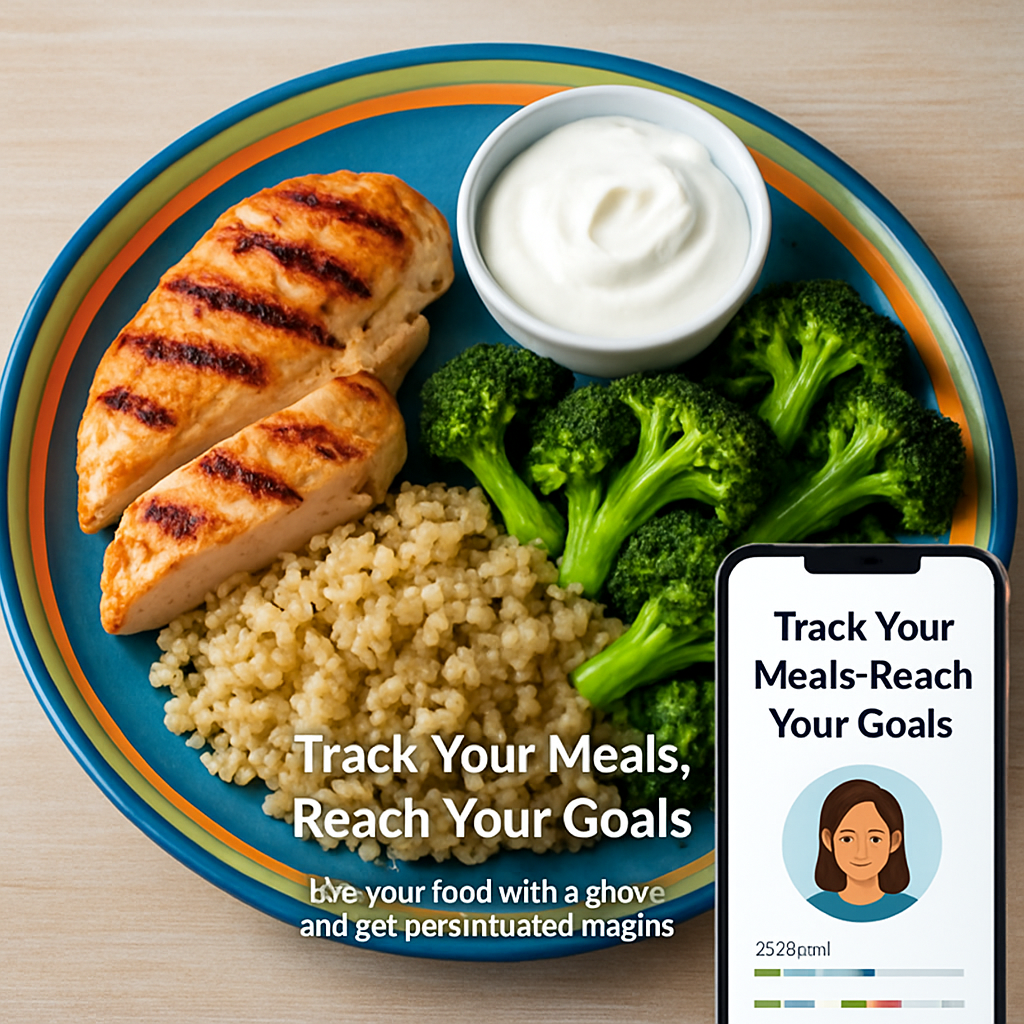
So, to recap: weigh yourself, multiply by 0.8‑1, spread the grams across five meals, and let Foodie Cal do the heavy lifting. Once you lock down your protein goal, the rest of the 1,200‑calorie plan falls into place.
Step 2: Build a Balanced 1200 Calorie High Protein Menu
Okay, you’ve got your protein target nailed down. Now the fun part begins: stitching together meals that hit your macro goals without blowing the 1,200‑calorie ceiling. It can feel like a puzzle, but think of it as a chance to get creative with foods you already love.
First, break the day into four slots – breakfast, lunch, dinner, and one snack. Aim for roughly 30‑35 g of protein at each main meal and 15‑20 g in the snack. That spread keeps hunger at bay and gives your muscles a steady supply of building blocks.
Step 1 – Map out protein powerhouses
Grab a quick list of go‑to high‑protein foods. Chicken breast (≈ 26 g per 3 oz), Greek yogurt (≈ 15 g per ½ cup), canned tuna (≈ 22 g per ½ can), edamame (≈ 9 g per ½ cup), and tofu (≈ 10 g per ¼ block) are all under 150 cal per serving. When you pair them with low‑calorie veggies or a splash of healthy fat, you stay inside budget.
Here’s a real‑world snapshot from a registered dietitian’s 1,200‑calorie plan: a daily total of 77 g protein, 135 g carbs, and 41 g fat (EatingWell’s high‑protein meal plan example). That shows you don’t need to chase 150 g of protein – 70‑80 g is enough to preserve lean mass while still feeling full.
Step 2 – Build a template
Write down a simple template you can tweak each week. For instance:
- Breakfast: 2 egg whites + 1 whole egg + spinach + ¼ avocado (≈ 250 cal, 30 g protein)
- Lunch: 4 oz grilled chicken + mixed greens + quinoa (≈ 350 cal, 35 g protein)
- Snack: ½ cup Greek yogurt + 1 tbsp chia seeds (≈ 150 cal, 15 g protein)
- Dinner: 4 oz baked salmon + roasted broccoli + ½ cup cauliflower rice (≈ 350 cal, 30 g protein)
Notice each meal stays under 400 cal, yet the protein adds up nicely. Swap salmon for tempeh, quinoa for brown rice, or chicken for lean turkey to keep variety.
Want a quick way to keep this template alive? Smart Eating Made Easy with an AI Calorie Counter App lets you snap a photo, auto‑detects the foods, and shows you the macro breakdown in seconds. No more manual math.
Step 3 – Meal‑prep like a pro
Set aside a couple of hours on the weekend. Cook a batch of chicken, quinoa, and roasted veggies. Portion them into individual containers so you can grab a ready‑to‑go lunch each day. Hard‑boil a few eggs for that snack boost. The EatingWell plan even suggests double‑batching brown rice for later meals – a tip that saves time and keeps carbs steady.
While you’re at it, prep a simple protein‑rich sauce: Greek yogurt mixed with lemon juice, dill, and a pinch of salt. It adds flavor to chicken bowls without adding many calories.
Step 4 – Fine‑tune with the numbers
Every evening, glance at your Foodie Cal dashboard. If you’re 20 cal over, shave a spoonful of oil or swap a half‑cup of quinoa for extra veggies. If you’re short on protein, toss in a scoop of whey or an extra egg white. The app’s real‑time feedback makes adjustments painless.
And remember: consistency beats perfection. Hitting your protein goal 5‑6 days a week is far more effective than trying to be flawless every single day.
Beyond the plate, consider holistic recovery. A quick post‑workout stretch, adequate water, and even a calming routine can amplify the benefits of your high‑protein plan. For a wellness‑focused partner, check out XLR8well, which offers proactive health assessments that complement your nutrition tracking. If you’re winding down after a big workout, you might also enjoy exploring Shower Steamers vs Bath Bombs for a soothing recovery ritual.
Bottom line: start with a protein‑rich template, batch‑cook the basics, and let technology handle the math. Soon you’ll have a balanced 1,200‑calorie high‑protein menu that feels effortless, delicious, and sustainable.
Step 3: Incorporate Smart Tracking Tools
Alright, you’ve already nailed the math and the menu – now it’s time to let technology do the heavy lifting. If you’re still scribbling numbers on napkins, you’re probably missing out on the biggest time‑saver for a 1200 calorie high protein meal plan.
Pick a tool that talks back to you
We’ve seen busy professionals swear by an app that lets you snap a photo, and instantly see calories, protein grams, and even a hydration score. The key is AI‑powered food recognition – you point, you shoot, the app does the counting.
When you first open the app, spend a minute setting your daily protein goal (based on the calculations from Step 1) and your 1,200‑calorie ceiling. Most platforms let you lock those targets so the macro bar stays bright red if you drift off course.
Snap, tag, and verify
Take a quick pic of your breakfast bowl. The AI reads the Greek yogurt, berries, and chia seeds, then pops up a card that reads something like “150 cal, 15 g protein.” If anything looks off, you can tap the item and adjust the portion size – it’s like having a mini dietitian in your pocket.
Tip: Keep a small cheat‑sheet of your favorite protein power‑houses (chicken breast, tofu, whey) on the back of your phone. When the app guesses “unknown,” you can select the correct food from a short list and the system learns for next time.
Set smart alerts, not nagging alarms
Instead of a generic “time to log” ping, configure the app to nudge you only when you’re 20 cal or 5 g protein shy of your goal. Those micro‑reminders feel like a helpful buddy rather than a boss.
For example, if your lunch is 340 cal and 32 g protein, the app might suggest “Add ½ cup edamame (+10 g protein, +50 cal) to hit today’s target.” You get a concrete action instead of a vague “you’re low.”
Hydration isn’t optional
Protein works best when you’re well‑hydrated, so many trackers let you log water with a single tap or even sync with a smart bottle. Set a daily water goal that scales with your activity level – the app will flash a reminder if you’ve gone three hours without a sip.
Seeing both macro and fluid numbers side by side makes it easy to spot patterns. “I’m consistently low on protein after my afternoon run” becomes a data point you can fix with a quick whey shake.
Leverage personalized meal suggestions
After a few days of consistent logging, the AI starts suggesting swaps that keep you under 1,200 cal while boosting protein. Maybe it recommends swapping a regular quinoa side for cauliflower rice, or adding a boiled egg to your salad.
Those suggestions are grounded in your own data, so they feel realistic – you’re not being asked to eat something you’ll never touch.
End‑of‑day review, the secret weapon
Every evening, open the “Daily Summary” screen. It breaks down calories, protein, carbs, fat, and water in a quick bar chart. Spot the outliers: a snack that pushed you over, or a meal that fell short on protein.
Take two minutes to jot down one tweak for tomorrow – maybe “swap the sweet potato for extra broccoli” or “add a scoop of whey to post‑workout shake.” That tiny habit compounds into a smoother, more predictable plan.
Sync wearables for a full picture
If you wear a fitness tracker, connect it to the app. Your steps, heart‑rate zones, and workout calories automatically feed into the daily calorie budget, so you don’t have to guess how many calories you burned.
The result? A dynamic loop where activity informs nutrition, and nutrition fuels activity – all without you pulling out a spreadsheet.
Quick checklist to get started
- Download an AI‑photo food tracker and set your 1,200 cal and protein targets.
- Snap every meal, verify portions, and let the app auto‑calculate macros.
- Enable smart alerts for protein and calorie gaps.
- Log water with a tap or smart‑bottle sync.
- Review the daily summary each night and note one tweak.
- Connect your wearable for automatic activity‑adjusted budgeting.
Once you’ve built this feedback loop, the 1200 calorie high protein meal plan becomes less of a chore and more of a conversation you have with yourself – and a helpful app that keeps the chat on point.
Step 4: Hydration & Micronutrient Boosters
We’ve got the protein math down, the meal templates ready, and the tracking app buzzing. But there’s a silent hero that often gets brushed aside: water and the tiny nutrients that keep every cell humming. If you’re chasing a 1200 calorie high protein meal plan, neglecting hydration and micronutrients is like trying to run a marathon in flip‑flops.
Why water matters more than you think
Ever notice how a protein shake feels thicker when you’re thirsty? That’s because protein metabolism produces nitrogenous waste that needs water to be flushed out. Research shows even a modest increase in water intake can improve satiety, meaning you’ll crave fewer extra snacks between meals.
For busy professionals juggling meetings and workouts, the trick is to make sipping automatic. Set a timer on your phone, keep a reusable bottle on your desk, and use your tracker’s water‑log feature to see a real‑time hydration bar. When the bar dips, you get a gentle nudge – no screaming alarm.
Micronutrient boosters that pair perfectly with protein
High‑protein foods are naturally rich in minerals like iron, zinc, and magnesium, but a 1200‑calorie budget can squeeze out some of the “shortfall” nutrients the Dietary Guidelines warn about – potassium, vitamin D, calcium, and the B‑vitamins. A recent cross‑sectional study of young adults found that higher protein density diets were linked to better overall diet quality and higher intakes of most micronutrients, even when calories stayed flat (Frontiers Nutrition study).
What does that mean for you? It means you can strategically add a few micronutrient‑dense allies without blowing your calorie ceiling.
1. Add a splash of citrus
Vitamin C helps with iron absorption from plant‑based proteins like lentils or quinoa. A squeeze of lemon over a chicken salad or a side of orange slices after dinner gives you a quick boost.
2. Sprinkle seeds and nuts
Chia, pumpkin, and hemp seeds are tiny powerhouses of magnesium, zinc, and omega‑3s. A tablespoon tossed into Greek yogurt or sprinkled on a veggie bowl adds less than 30 calories but a punch of nutrients.
3. Choose fortified dairy or alternatives
One cup of fortified almond milk or low‑fat Greek yogurt delivers calcium and vitamin D – both critical for bone health, especially when you’re lifting weights.
4. Sneak in leafy greens
Spinach, kale, and Swiss chard are low‑calorie, high‑potassium foods. Toss a handful into your omelet or blend into a post‑workout smoothie. You’ll get potassium, vitamin K, and a dose of fiber without sacrificing protein.
Actionable hydration checklist
1. Calculate your baseline: a simple rule is 0.5 oz water per pound of body weight (e.g., 150‑lb person ≈ 75 oz).
2. Log every glass in the app – treat it like a macro.
3. Pair each main meal with at least 8‑oz of water; set a reminder if you tend to forget.
4. Before bedtime, sip a calming herbal tea (no added sugar) to hit that final hydration goal.
And here’s a pro tip we see work for our health‑focused community: add a pinch of sea salt to your water bottle after a sweaty HIIT session. The extra sodium helps retain the fluid you just lost, preventing that “dry‑mouth” feeling later.
Micronutrient‑rich snack ideas for the 1200‑calorie plan
• Hard‑boiled egg + a few olives – protein, vitamin E, and healthy fats in under 120 cal.
• Cottage cheese + sliced kiwi – calcium, vitamin C, and a creamy texture that satisfies cravings.
• Edamame sprinkled with nutritional yeast – plant protein, iron, B‑vitamins, and a cheesy flavor without the cheese calories.
Notice how each snack stays under 150 calories, yet it’s a micronutrient jackpot. That’s the sweet spot for a 1200 calorie high protein meal plan: every bite counts toward both macro and micro goals.
Tech tip: let your tracker do the heavy lifting
Our platform can flag micronutrient gaps in your daily summary. If your vitamin D is low, you’ll see a suggestion to add a fortified milk serving or a quick mushroom sauté. If potassium is lagging, the app will nudge you toward a banana or a side of roasted sweet potatoes.
And because we love keeping things simple, we’ve baked that suggestion engine into the same photo calorie counter guide you’ve already been using – just snap, log, and let the AI whisper the next move.
Bottom line? Hydration and micronutrients are the glue that holds your high‑protein, low‑calorie puzzle together. Treat them like non‑negotiable parts of your routine, and you’ll feel steadier, recover faster, and keep that 1200 calorie high protein meal plan sustainable for the long haul.
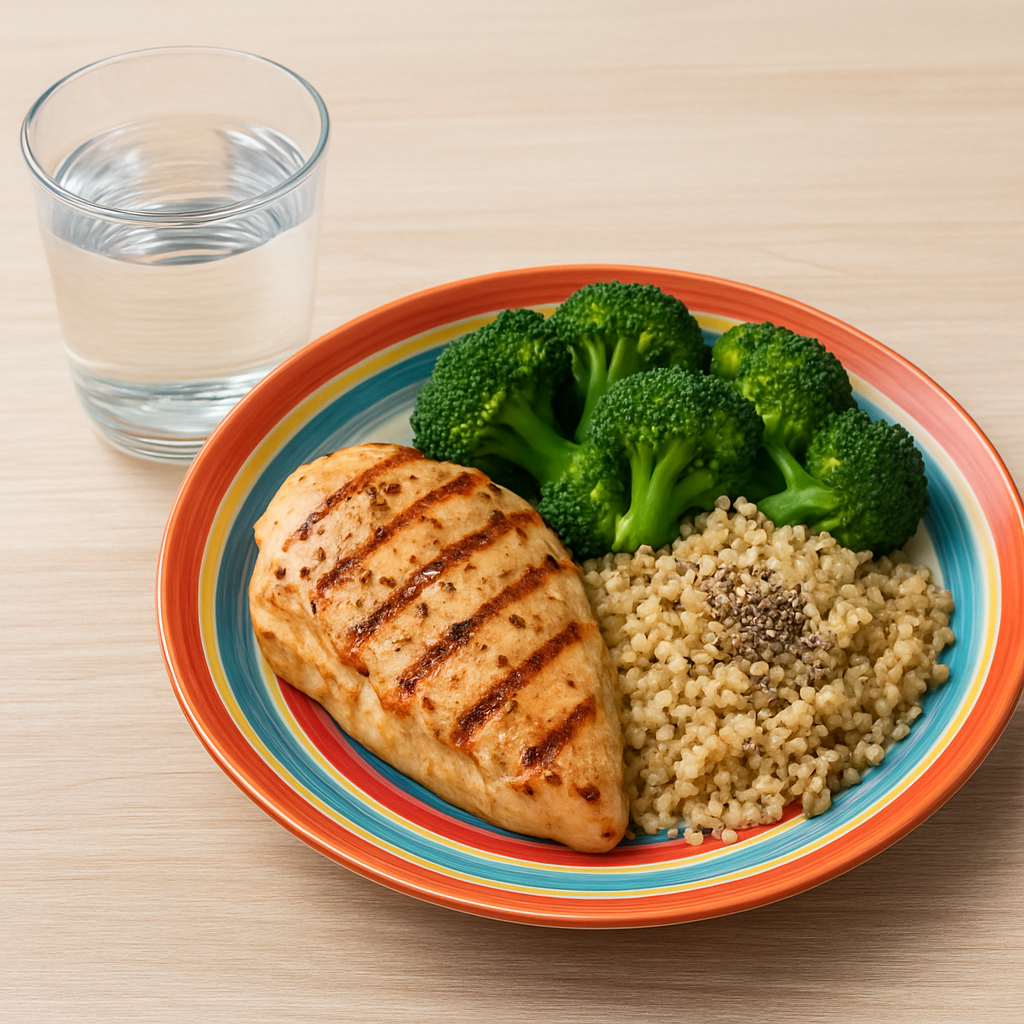
Step 5: Sample 7‑Day 1200 Calorie High Protein Meal Plan
Ready to see the plan in action? Below is a full‑week menu that sticks to 1,200 calories while keeping protein front and center.
How the day breaks down
Each day aims for about 30‑35 g of protein at breakfast, lunch, and dinner, plus a 15‑20 g snack. That pattern gives you roughly 85‑95 g total protein – enough to protect muscle without blowing the calorie budget.
We’ve pulled the core ideas from a nutritionist‑tested 1,200‑calorie plan that emphasizes flexible portions and veggie‑first additions (Good Housekeeping’s sample menu). Feel free to swap a protein source or add an extra half‑cup of greens – the calories stay low, the protein stays high.
Day‑by‑day snapshot
| Day | Main Meals (Protein) | Total Protein |
|---|---|---|
| Monday | Egg‑white omelet with feta, turkey mini‑pita, Greek yogurt with berries, baked salmon | ≈ 85 g |
| Tuesday | Cottage cheese bowl, chickpea salad pita, hard‑boiled eggs, shrimp & quinoa | ≈ 90 g |
| Wednesday | Protein‑rich oatmeal, grilled chicken wrap, edamame snack, tilapia with broccoli | ≈ 88 g |
That table gives you a quick reference – you can see at a glance which protein source shows up when. If a particular fish isn’t your thing, swap it for tofu or a lean cut of pork; the calorie count stays in the same range.
Breakfast ideas (≈ 250 cal)
Start with something that fuels you but doesn’t fill the whole day. A ½‑cup of fat‑free Greek yogurt, a handful of berries, and a sprinkle of slivered almonds hits about 150 calories and 15 g protein. Pair it with a slice of whole‑grain toast and two egg whites for the remaining 100 calories and another 15 g protein.
Or try the oat‑and‑apple combo from the Good Housekeeping plan: ½‑cup quick oats, soy milk, ½ apple, a dash of cinnamon – that’s a warm bowl under 200 calories and 10 g protein. Add a scoop of whey if you need a boost.
Lunch power‑ups (≈ 350 cal)
Pick a lean protein and load up on low‑calorie veggies. A 4‑ounce grilled chicken breast over mixed greens, a quarter‑cup quinoa, and a drizzle of lemon‑olive oil gives you about 35 g protein and keeps the calorie count steady.
For a plant‑based twist, blend canned tuna (or chickpeas) with a tablespoon of Greek yogurt, diced celery, and a squeeze of lemon. Serve on a mini whole‑wheat pita and add a side of sliced cucumber. You’ll stay around 300 calories and still nail 30 g protein.
Snack smart (≤ 150 cal)
Snack time is where the 150‑calorie rule shines. A hard‑boiled egg plus a few olives, a small cup of edamame, or a ½‑cup cottage cheese with a dash of cinnamon each deliver 10‑20 g protein without tipping the calorie scale.
Pro tip: keep a pre‑portioned bag of roasted edamame in the fridge – the app will flag it as a protein‑rich snack the moment you log it.
Dinner finishes (≈ 350 cal)
End the day with a satisfying protein source and a heap of non‑starchy veg. A 4‑ounce piece of baked salmon, a cup of steamed broccoli, and ½‑cup cauliflower rice hits roughly 30 g protein and 350 calories.
If you’re short on time, a quick skillet of shrimp tossed with garlic, a splash of lime, and a side of roasted zucchini does the trick in under 30 minutes.
So, what’s the next move? Grab your Foodie Cal app, snap a pic of the first breakfast, and let the AI confirm you’re staying under 1,200 calories while hitting the protein target. Adjust portions on the fly, and you’ll have a sustainable plan that feels like a series of small, confident choices rather than a restrictive diet.
Step 6: Adjusting Portions for Your Fitness Goals
Ever felt that tiny pang of hunger after a meal and wondered if you just mis‑calculated the serving size? It happens to the best of us, especially when you’re juggling a 1200 calorie high protein meal plan and a busy schedule. The good news? Tweaking portions is a tiny habit that makes a massive difference in how you feel and how fast you hit your fitness milestones.
Why the “portion tweak” matters
When calories are tight, every gram counts. Too small a portion and you risk losing muscle; too big and you blow the 1,200‑calorie ceiling. Adjusting portions lets you stay in that sweet spot where you’re satiated, strong, and still shedding the extra pounds.
Step 1: Start with your numbers
Grab the protein target you set in Step 1 (usually 0.8‑1.0 g per pound) and your 1,200‑calorie budget. Write them down on a sticky note or in the Foodie Cal app. Seeing the two numbers side by side reminds you that every bite is a data point.
Step 2: Visual portion cues
When you don’t have a scale handy, use your hand as a measuring tool. A palm‑sized serving of chicken or fish is roughly 3‑4 oz (≈30 g protein, 150 cal). A cupped hand of veggies fills half your plate without adding many calories. A thumb‑wide dab of oil or nut butter is about ½ oz, which is ~45 cal.
Step 3: Log, check, and adjust
Snap a photo of your meal with Foodie Cal, let the AI read the portions, then glance at the macro bar. If you’re 20‑30 cal over, shave a spoonful of quinoa or a drizzle of dressing. If you’re 5‑10 g protein short, toss in a boiled egg, a scoop of whey, or a half‑cup of edamame.
Breakfast example
Say you love an egg‑white omelet with a slice of whole‑grain toast. The app tells you you’re at 260 cal and 22 g protein. To hit 30 g protein without crossing 300 cal, add a half‑cup of cottage cheese (≈12 g protein, 50 cal) or a tablespoon of Greek yogurt. That tiny swap bumps protein up while keeping the calorie count right where you want it.
Lunch example
If your salad includes 4 oz grilled chicken, ½ cup quinoa, and a handful of avocado, you might be sitting at 380 cal and 35 g protein. Swap the quinoa for cauliflower rice (≈25 cal) and add an extra spoonful of beans for fiber. You’ll shave 30 cal off and still stay above the 30 g protein mark.
Dinner example
Imagine a 5‑ounce salmon fillet with roasted broccoli and sweet potato. The app flags 470 cal and 32 g protein – a bit high on calories for a 1200‑day budget. Cut the sweet potato portion in half (save ~80 cal) and replace the rest with extra broccoli or a side salad. You still get the omega‑3 boost, but you’ve nudged the total back under 400 cal for dinner.
Fueling workouts
On strength‑training days, you may need a post‑workout protein bump. A quick ½‑cup of chocolate‑flavored whey mixed with water adds ~15 g protein for just 70 cal. Log it, and the app will automatically balance the rest of the day – you might swap a mid‑afternoon snack for a lower‑calorie veggie cup.
Tips for busy professionals
• Prep protein portions in bulk (cook 2 lb chicken on Sunday, portion into 4‑ounce bags).
• Keep a “portion cheat sheet” on the fridge: a photo of a 3‑oz chicken piece, a cup of quinoa, a thumb of olive oil.
• Use the app’s “daily summary” each night to spot any calorie creep and plan the next day’s tweaks.
Quick checklist
- Know your protein goal and calorie ceiling.
- Use hand‑size cues for quick estimates.
- Snap, log, and read the macro bar.
- Trim carbs or fats first; add protein if you’re short.
- Adjust after each workout – protein first, calories second.
- Review the nightly summary and plan one tweak for tomorrow.
Need some real‑world portion ideas? EatingWell breaks down a typical 1,200‑calorie day with specific serving sizes you can copy (sample 1,200‑calorie meal plan). For a high‑protein spin, Eat This Much shows a 1,190‑calorie plan that hits 92 g protein – perfect for seeing how a few extra grams of chicken or tofu shift the numbers (high‑protein 1,200‑calorie example).
Remember, adjusting portions isn’t a one‑time math problem; it’s a daily conversation between you, your hunger cues, and the data on your screen. Keep it simple, stay curious, and let each tweak bring you a step closer to the fit, fueled version of yourself.
FAQ
What exactly is a 1200 calorie high protein meal plan and who should try it?
A 1200 calorie high protein meal plan caps your daily intake at roughly 1,200 calories while prioritizing protein—usually 0.8‑1.0 g per pound of body weight. It’s perfect for busy professionals, fitness enthusiasts, or anyone juggling weight loss with muscle preservation. Because protein keeps you full, you won’t feel constantly hungry, and the lower calorie budget forces you to be intentional about every bite.
How many grams of protein do I need each day on this plan?
Start with your weight in pounds, then multiply by 0.8. That gives you a baseline (e.g., 150 lb × 0.8 = 120 g). If you lift heavy or run a lot, bump it up to 1.0 g per pound. Spread the total across four meals—about 30 g at breakfast, lunch, and dinner, plus a 15‑20 g snack. This keeps muscle‑sparing benefits while staying under the calorie ceiling.
Can I still include carbs and fats without blowing the budget?
Absolutely. Think of carbs and fats as the supporting cast. Choose low‑calorie carbs like veggies, berries, or a half‑cup of quinoa, and healthy fats in thumb‑sized portions—olive oil, avocado, or nuts. A typical day might look like 35 % carbs, 30 % protein, 35 % fat, but the exact split depends on your personal preferences and activity level.
How can I track portions accurately without a kitchen scale?
Hand‑size cues work wonders: a palm‑sized chicken breast ≈ 3‑4 oz, a cupped hand of veggies fills half the plate, and a thumb of oil is about ½ oz. Snap a photo with Foodie Cal, let the AI guess the portion, then fine‑tune if needed. The app’s macro bar instantly shows whether you’re on target for calories and protein.
What are some quick, protein‑rich snack ideas that stay under 150 calories?
Try a hard‑boiled egg with a few olives, a ½‑cup of cottage cheese topped with sliced kiwi, or a small handful of roasted edamame sprinkled with nutritional yeast. Each packs 10‑20 g of protein and stays well below the 150‑calorie mark, making it easy to hit your daily macro goals without a second‑guess.
How often should I tweak my portions based on my workouts?
Check your Foodie Cal daily summary after each workout. If you burned extra calories, you can add a spoonful of quinoa or an extra egg white without overshooting the 1,200 limit. On rest days, trim a bit of carbs or fat to keep the calorie total steady. Small, data‑driven tweaks keep the plan flexible and sustainable.
What common pitfalls should I watch out for when following a 1200 calorie high protein plan?
First, don’t let “calorie creep” sneak in—those extra sauces or a second drizzle of oil add up fast. Second, avoid cutting protein too low just to stay under calories; muscle loss hurts long‑term results. Third, skip the all‑or‑nothing mindset—missing one meal isn’t the end of the world, just get back on track the next day. Consistency beats perfection every time.
Conclusion
If you’ve made it this far, you probably already feel the weight of the numbers lifting off your shoulders.
A 1200 calorie high protein meal plan isn’t about starvation – it’s about feeding your muscles, curbing cravings, and keeping your energy steady through busy workdays and tough workouts.
We’ve walked through picking the right protein targets, building a template that fits into four meals, using smart tracking tools, and even fine‑tuning hydration and micronutrients.
So what’s the next step? Grab your phone, snap a photo of the first breakfast you prep, and let the app whisper if you’re on track or need a tiny tweak.
Remember, consistency beats perfection. One missed snack isn’t a disaster; it’s just a cue to get back in the loop tomorrow.
For busy professionals or fitness enthusiasts, the real magic happens when the data becomes a conversation rather than a chore – you’re the boss, the app is the friendly sidekick.
Give yourself permission to experiment, adjust portions after each workout, and celebrate the small wins – like staying under 1,200 calories while hitting 30 grams of protein at dinner.
When you’re ready to level up, check out Foodie Cal’s AI‑powered photo tracker – it’s designed to make every bite count without the spreadsheet headache.